
Why your brand identity should translate into the real world
In 2026, brands don’t exist solely on screens.
They show up across social feeds, websites and campaigns, but they’re increasingly experienced in physical environments too. Bars, retail spaces, pop-ups and brand activations have become places to connect, not just transact spaces that shape how a brand is felt and remembered.
This shift places a new responsibility on brand identity. It can’t simply perform well digitally. It needs to hold its meaning when it’s built, walked through and experienced in real life.
The Fábrica Excepcional identity is a clear example of why that translation matters.
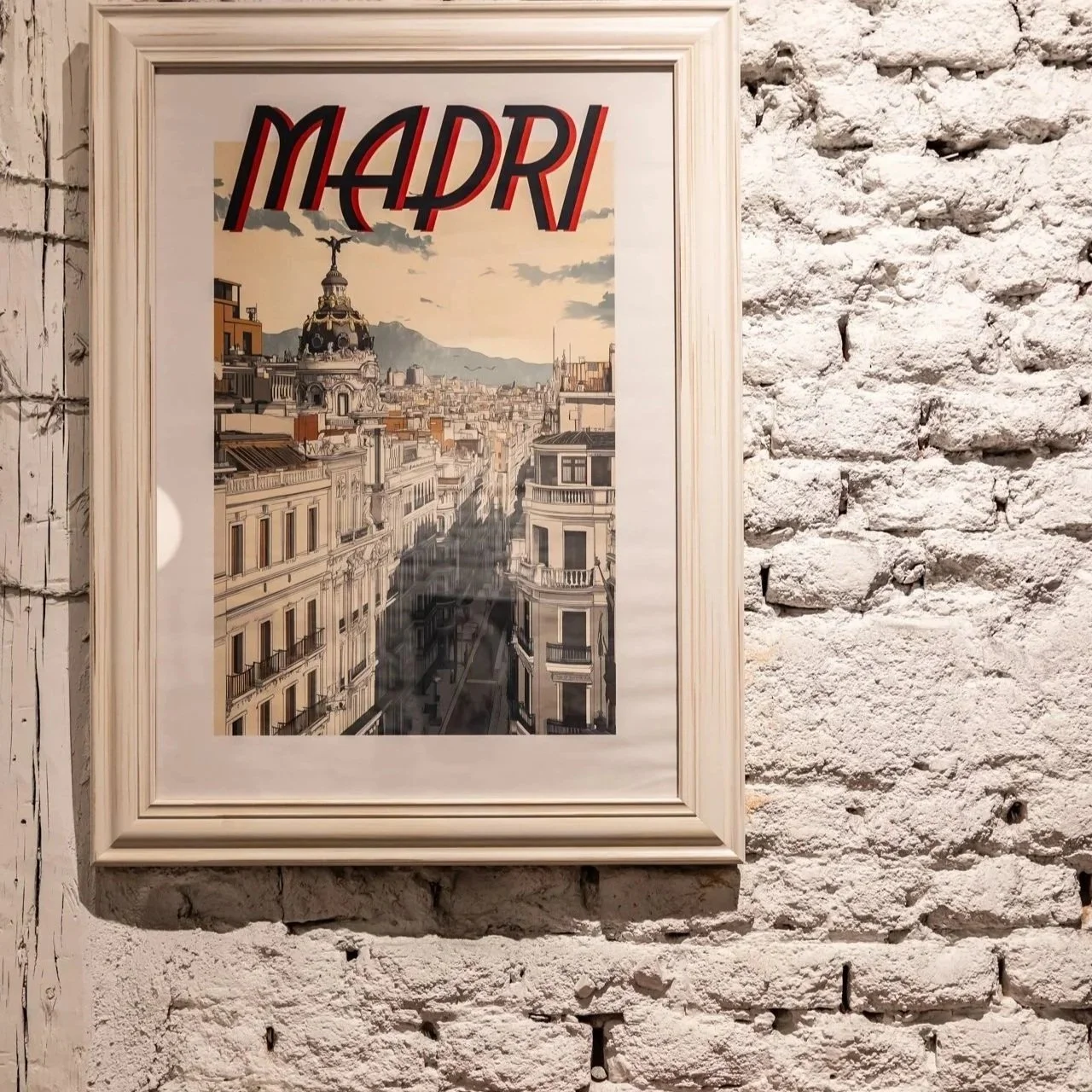
Identity shouldn’t stop at the screen
Digital-first branding has shaped the last decade. Flexible logos, social-ready assets and campaign-led visuals became the focus.
But when brands step into real life spaces, weaknesses in an identity can quickly surface. Visual ideas that work online can feel flat or disconnected when applied to interiors, materials, signage or spatial storytelling.
A strong identity should already contain the thinking needed to exist physically.
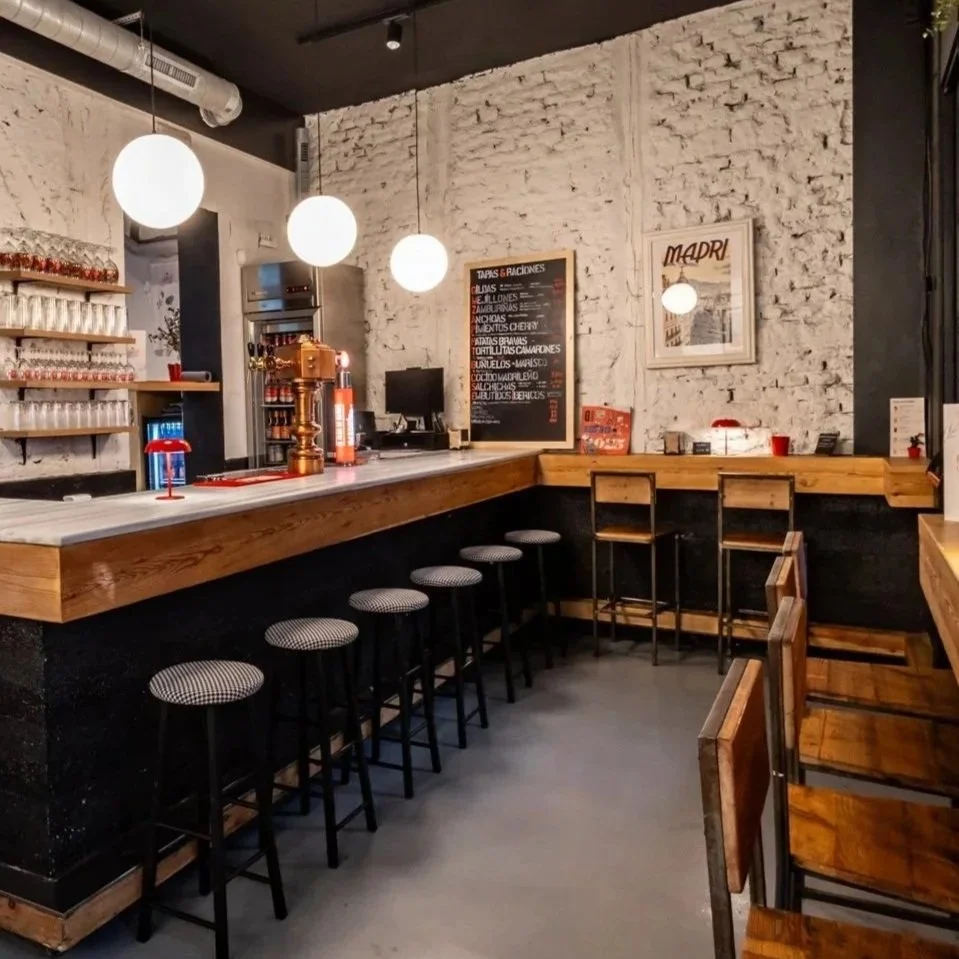
Designing with experience in mind
From the outset, the Fábrica Excepcional identity, for example, was created with experience in mind, not just communication. The goal wasn’t to design a look for a bar, but to create a brand world first that could then be stepped into.
The visual language, tone and storytelling were developed to reflect the soul of Madrid rooted in culture, community and craftsmanship. That thinking made it easier for the identity to extend naturally into the physical environment, rather than being retrofitted later.
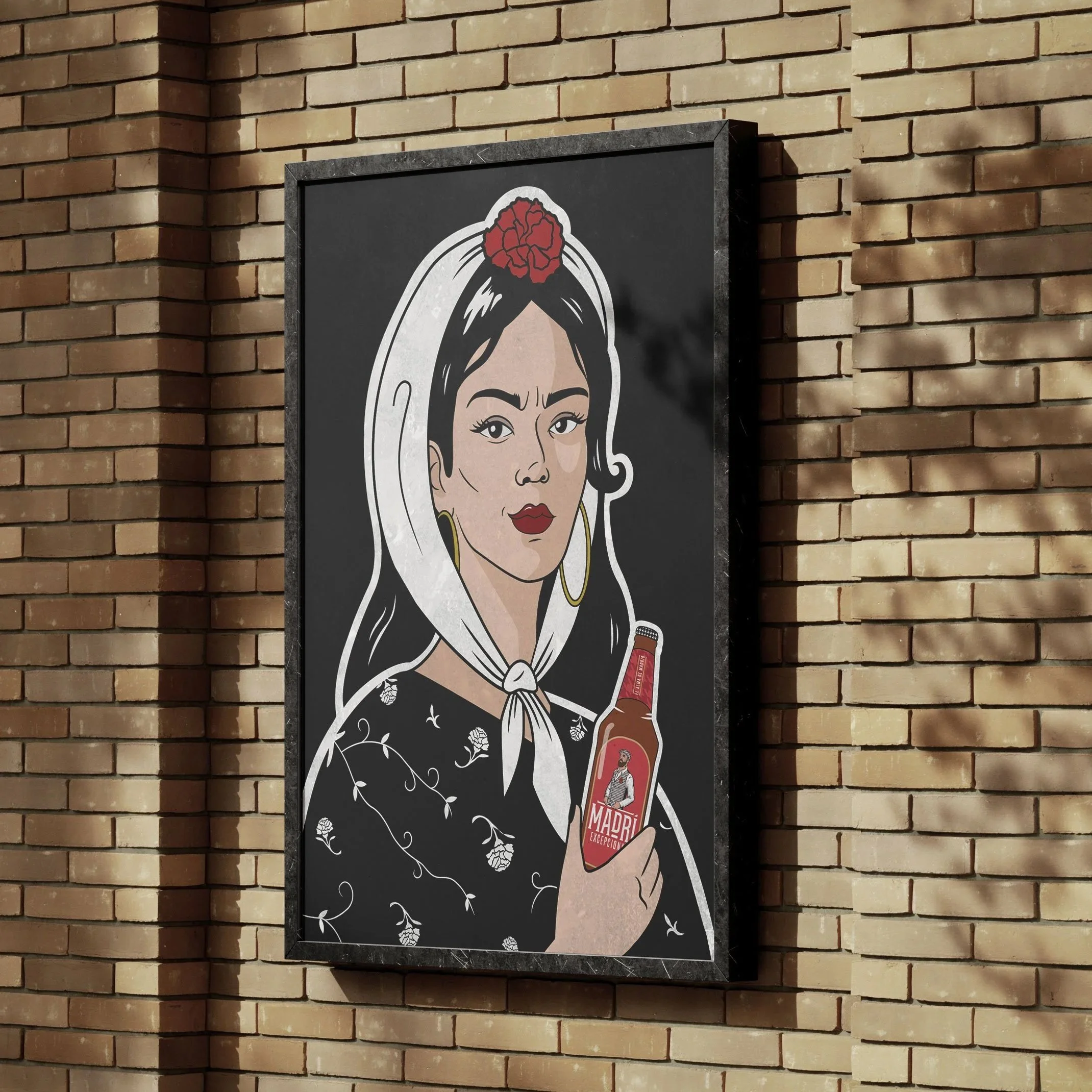
Consistency without repetition
One of the biggest challenges in physical brand spaces is avoiding literal translation. Logos on walls and colours everywhere don’t automatically create brand identity.
In Fábrica Excepcional, the identity translates through atmosphere, materiality, language and detail not just the logo or graphics. The space feels connected to the brand because it’s built from the same values and story, not because it repeats the same visual assets.
Why this matters in 2026…
As brands invest more in real-world experiences, the gap between identity and environment becomes harder to ignore.
Audiences are more perceptive and notice when a space feels authentic and when it doesn’t. A brand that translates seamlessly from digital to physical needs to build trust, recognition and emotional connection in a way that surface-level design never can.
In 2026, brand identity needs to do more than just communicate, it needs to perform, adapt and hold its meaning wherever people encounter it.
If you’re looking for a new brand identity this year, we would love to talk it through!